
News

News
Transitioning off GLP-1 after 12 weeks: what to expect and how maintenance works
on Mar 02 2026
Coming off GLP-1 after 12 weeks: what week 1 may feel like, how to adjust portions + protein, hydration support, and simple maintenance meals.

News
GLP-1 after 3 months: what long-term eating usually looks like
on Feb 16 2026
After 3 months on GLP-1, long-term eating looks simpler: balanced protein-first meals, flexible portions, hydration habits, and structure you can sustain.
News
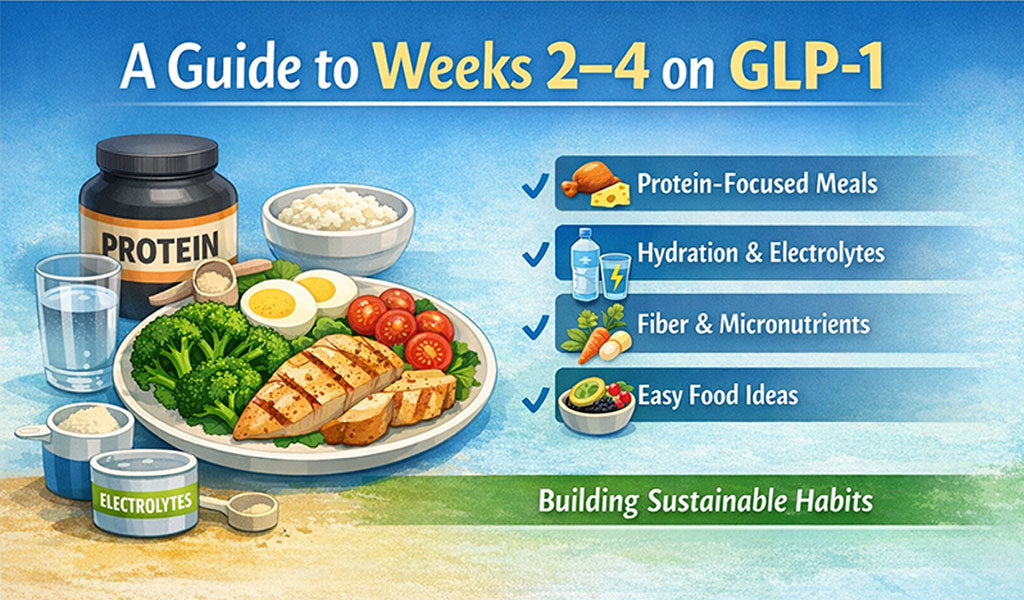
What to Eat During Weeks 2–4 on GLP-1: Simple Protein-First Plan
on Jan 12 2026
Weeks 2–4 on GLP-1: build a steady rhythm with smaller portions, protein-first meals, gentle fiber, and hydration timing between meals (plus electrolytes).
News
The Benefits of a Medical Weight Loss Program
on Dec 19 2012
Medical Weight Loss
With obesity rates skyrocketing, many people are turning to medical weight loss programs in an effort to achieve a healthy weight. Those who have attempted fad diets usually end up in a vicious cycle that starves the body and ultimately slows the metabolism to a crawl, resulting in more and more pounds over time.
A medical weight loss program utilizes effective medical principles under a physician’s supervision; without jeopardizing a patient’s health through dangerous or ineffective diets. The methods used are based on proven scientific principles that are known to promote weight loss and to get to the root cause of obesity.
How can a medical program help in achieving weight loss goals?
Customized plan
These programs are personally designed, analyzing much more than a patient’s daily food intake and physical activity. A physician considers the entire health profile to develop the plan that takes into account the patient’s medical history and possible hormonal imbalances, thyroid issues, prescriptions and many other factors that have a huge impact on weight loss and weight gain.
A physician will be able to perform a complete evaluation including a weight and body fat analysis, comprehensive blood panel, EKG and more which will give you a much better starting point on your way to achieving better health and an ideal weight.
Other medical issues
If you are obese, or even just overweight, your chances of having a number of other medical issues are greatly increased, making physician supervision even more critical in achieving optimal health. Just a few of the common afflictions that the overweight or obese might have include coronary heart disease, hypertension or high blood pressure, type 2 diabetes, respiratory problems and osteoarthritis.
If you’ve been diagnosed with one of these health concerns, you may be on a number of medications that need to be taken into consideration when developing an effective weight loss plan. In addition, you may experience changes in your heart and respiratory rates as well as blood pressure that should be monitored by a physician.
Personal support
A physician can provide extra motivation by encouraging behavior change and providing accountability through frequent visits. Along the way they’ll be able to tell you exactly how much of your weight loss is due to water, fat or muscle which will allow you to make adjustments accordingly.
Those who have enrolled in medical weight loss programs often experience significant improvements in their overall health and even dramatically reduce their risk of many weight related conditions.
The post The Benefits of a Medical Weight Loss Program appeared first on Nashua Nutrition Blog.
News
Products To Help Individuals After Medical Weight Loss Procedures
on Jun 27 2012
Undergoing a bariatric surgical procedure is a big event for those hoping to lose weight. This serious surgical procedure will offer a weight loss solution to those who have had trouble losing weight via other means. Once the bariatric surgery has been completed, there are ways that the individual can maintain the proper health and promote further weight loss as well. Many of these ways come in the form of weight loss products specifically created for individual’s post-bariatric surgery.
Multivitamins
Your body will be in a very different condition post-bariatric surgery. Medical weight loss procedures will alter how you eat and how your body responds to different factors in the future. Therefore, you want to be sure to take certain nutritional supplements such as multivitamins to enable your body to stay on track and get used to its new components.
B12 Vitamins
B12 vitamins help an individual to produce red blood cells which those who have undergone weight loss procedures may find themselves lacking. This daily supplement is easy to take, usually in chewable tablet form, and will be good for an individual who has undergone medical weight loss surgeries such as bariatric surgery.
Calcium
Calcium keeps an individual’s bones strong. For those who have just undergone bariatric surgery, this is another important daily vitamin to add to the list. Although we get calcium from different foods, it is always good for those who have had weight loss surgery to get the right amount of calcium for their body.
Vitamin D
Vitamin D is another important vitamin to take. Vitamin D is essential for calcium absorption and it is important for those having undergone medical weight loss surgery to keep their vitamin D at a proper level.
Bariatric Surgery Products
There is also a wide array of combination bariatric surgery products which offer a little bit of all the necessities to those who have had weight loss surgery. These items are specially formulated to touch upon various diet and supplemental needs for those who are post-op bariatric procedure.
These are some of the products which those who have had bariatric surgery performed will find helpful. It is always advisable to consult with your physician first to see if they recommend certain combinations or specific supplements and products over others. Staying healthy and
The post Products To Help Individuals After Medical Weight Loss Procedures appeared first on Nashua Nutrition Blog.